Definition and Cultural Context of Native American Spirit Guides
Native American spirit guides are ancestral beings that embody natural elements, guiding individuals through cultural myths and everyday decisions․ They appear in stories, ceremonies, and vision quests, linking people to land, history, and collective wisdom․ They guide through rites, songs, honoring wisdom․
Spiritual Significance and Mythology
In many tribal cosmologies, spirit guides are embodiments of natural forces and ancestral wisdom․ They appear in creation myths, such as the Great Spirit narratives of the Lakota, where the White Buffalo Woman brings sacred rituals․ The Navajo Hózhó concept frames guides as agents of balance, guiding seekers toward harmony with the land and sky․
Mythical stories often involve animal spirits that transform into humans or appear in dreams․ The Raven of Pacific Northwest lore steals light, while the Eagle of Plains tribes soars as a messenger between worlds․ These tales reinforce the belief that every element—water, fire, earth, wind—has a guiding presence․
Shamanic traditions record that vision quests are a means to commune with guides․ Participants travel alone, fasting, and chanting, awaiting a vision that reveals a personal guide’s form and purpose․ The resulting guidance shapes life choices, healing practices, and communal responsibilities․
Modern scholarship, such as the work of Bobby Lake‑Thom in “Spirits of the Earth,” documents how contemporary Native communities reinterpret these myths, blending traditional symbolism with present‑day ecological concerns․ This dynamic storytelling preserves cultural identity while adapting to new spiritual landscapes․
These guides remain central to cultural resilience inspiring ceremonies that honorancestorsprotect ecosystems and nurture bright generations․
Role in Daily Life and Decision Making
Guides influence everyday choices, from planting to marriage․ In Pueblo villages, elders consult the Medicine Wheel to align actions with seasonal cycles, believing that the Bear guide protects harvests․ The Lakota use vision quests to select leaders, ensuring that the chosen Wolf spirit endorses their authority․ In modern urban settings, Native youth attend story circles, where Raven and Eagle symbols remind them of resilience and vision․ Decision making often follows dreamwork sessions, where guides appear in nocturnal imagery, offering clarity․ These practices reinforce community cohesion, as collective choices reflect ancestral wisdom․ The Hopi teach that the Fire spirit guides rituals, guiding the timing of ceremonies to honor the sun’s path․ Across tribes, the presence of a spirit guide provides a moral compass, helping individuals navigate conflicts, health, and relationships․ By honoring these guides, communities maintain a living link to their heritage, ensuring that each action remains rooted in a shared spiritual framework․ The enduring presence of these guides fosters a sense of continuity, reminding each generation that the land, the stories, and the spirits are intertwined․ By listening to the subtle whispers of the animal and ancestral voices, individuals find clarity in choices, resilience in adversity, and a shared purpose that transcends time, ensuring that the cultural tapestry remains vibrant and alive for future peoples Their guidance endures beyond time, guiding us
Common Animal Spirit Guides in Native American Traditions
Eagle, Bear, Wolf, and Raven symbolize courage, strength, loyalty, and wisdom․ Tribes honor these animals through songs, dances, and vision quests, believing each guide offers protection, insight, and ancestral guidance in daily life․ Their presence guides hunters, farmers, and healers, binding communityall
Eagle, Bear, Wolf, and Raven Symbolism
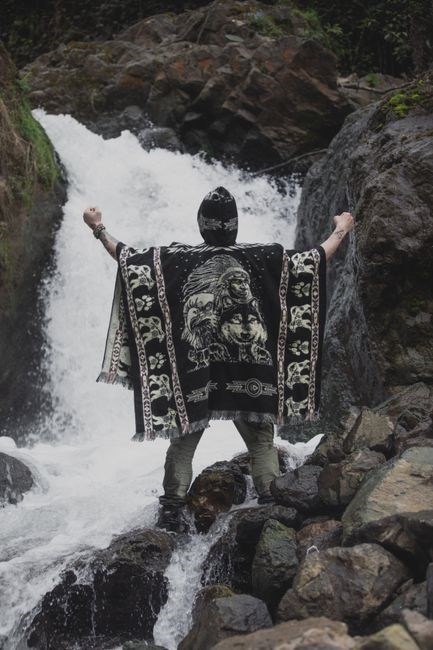
Eagle, Bear, Wolf, and Raven each embody distinct virtues revered across tribes․ The eagle, soaring high, represents vision, spiritual elevation, and the ability to see the big picture; its feathers are used in ceremonies to carry prayers to the Creator․ The bear, grounded and powerful, symbolizes strength, healing, and protection, often invoked during healing rituals and to honor maternal energy․ The wolf, with its pack mentality, reflects loyalty, community, and the importance of family bonds; its howl is a call to unity and shared purpose․ Raven, the trickster and creator, embodies transformation, creativity, and the capacity to bring light from darkness; its stories teach humility and the value of adaptability․ Together, these animal spirits guide individuals through life’s challenges, offering lessons in courage, resilience, and interconnectedness․
Beyond these core animals, many tribes recognize additional guides such as the deer, representing gentleness; the salmon, symbolizing renewal; and the tortoise, embodying patience․ Each animal’s behavior and ecological role informs its spiritual lesson, encouraging respect for the environment․ Practitioners often seek the guidance of a specific animal during ceremonies, using its image in totems, chants, and visualizations to align personal intent with the animal’s qualities․ The presence of these spirits reinforces communal bonds and reminds individuals that all life is interconnected and must be honored with humility and stewardship and thanks!!

Lesser-Known Animal Guides and Their Meanings
Beyond the familiar eagle, bear, wolf, and raven, numerous tribes honor subtle guides that reveal nuanced wisdom․ The deer, with its gentle steps, teaches humility, patience, and the art of listening to subtle signs in nature․ The salmon, swimming upstream against currents, embodies perseverance, adaptability, and the cyclical nature of life, reminding seekers to embrace change․ The tortoise, slow and steady, represents endurance, grounding, and the importance of building a solid foundation before pursuing lofty goals․ The fox, known for its cunning, offers lessons in resourcefulness, adaptability, and the power of perception, encouraging individuals to navigate complex situations with wit and grace․ The hummingbird, fluttering between blossoms, symbolizes joy, resilience, and the ability to find beauty in fleeting moments․ In many ceremonies, these animals appear in dreams, visions, or as carved totems, guiding practitioners toward deeper self‑awareness and harmonious living․ Their stories, passed orally, reinforce the interconnectedness of all beings and the responsibility to honor each creature’s unique contribution to the web of life․
The quail, with its quiet presence, teaches humility and the value of subtle influence; the otter, playful yet wise, reminds us that joy can coexist with responsibility; the skunk, often misunderstood, symbolizes resilience and the power of self‑defense; the porcupine, protective yet gentle, offers lessons in setting boundaries while maintaining compassion․ Each small creature holds a lesson for all soon!!
Historical and Legendary Figures as Spirit Guides
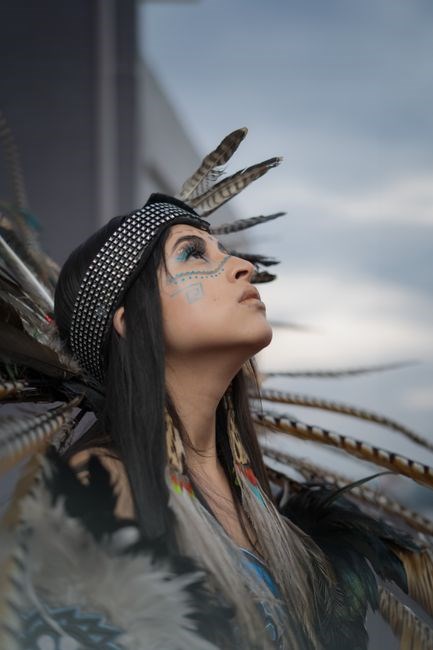
Legendary leaders like Sitting Bull, Red Cloud, and Chief Seattle serve as guiding spirits, embodying resilience, diplomacy, and vision․ Visionaries Ohiyesa and Red Jacket inspire moral clarity, urging seekers toward harmony and justice․ hope!!!
Native American spirit guides are ancestral beings that embody natural elements, guiding individuals through cultural myths and everyday decisions․ They appear in stories, ceremonies, and vision quests, linking people to land, history, and collective wisdom․ They guide through rites, songs, honoring wisdom․
Legendary leaders like Sitting Bull, Red Cloud, and Chief Seattle serve as guiding spirits, embodying resilience, diplomacy, and vision․ Visionaries Ohiyesa and Red Jacket inspire moral clarity, urging seekers toward harmony and justice․ Hope!!!
Prominent Leaders (Sitting Bull, Red Cloud, Chief Seattle)
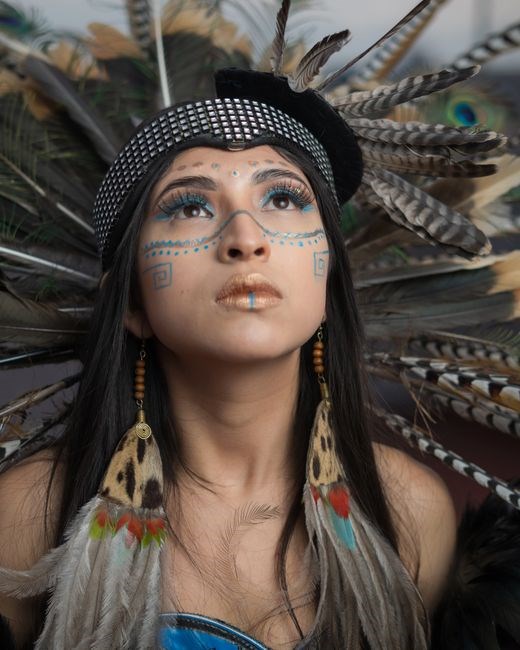
Sitting Bull, the Hunkpapa Lakota chief, is revered as a spirit guide whose courage and prophetic vision inspire resilience in his people․ Red Cloud, the Oglala Lakota war leader, guided his people through the Black Hills conflict, embodying strategic wisdom and compassion․ Chief Seattle, a Duwamish and Suquamish leader, is honored for his diplomatic skill and foresight, steering his tribe toward peaceful coexistence with settlers․ These figures serve as archetypal guides, offering lessons in courage, negotiation, and stewardship of the land․ Their stories are woven into ceremonies, songs, and vision quests, reminding seekers that leadership can be both protective and visionary․ By honoring these spirits, communities reinforce cultural continuity and inspire future generations to uphold harmony, justice, and respect for nature․ The legacy of these leaders is celebrated in songs, dances, and storytelling circles that honor their wisdom․ Their spirits guide young people to respect the land, nurture community bonds, and pursue justice․ By remembering their deeds, modern tribes find strength to navigate change while preserving ancestral values and honoring the sacred path they paved․ They inspire resilience hearts hope
Visionaries and Prophets (Ohiyesa, Red Jacket)
Ohiyesa, also known as Black Elk, was a revered Oglala Lakota holy man whose visions guided his people through spiritual renewal and cultural preservation․ His 1930 book, “Black Elk Speaks,” chronicles encounters with the Great Spirit, the White Buffalo Calf Woman, and the intricate dance of the Sun Dance․ Ohiyesa’s prophecies emphasized the interconnectedness of all life, urging respect for the earth, water, and the sacred cycles of harvest and renewal․ He taught that true leadership arises from humility, listening to the wind, and honoring the teachings of the elders․ His teachings continue to inspire contemporary Lakota youth, guiding them toward stewardship of the land, healing of trauma, and the reinvigoration of traditional ceremonies․ Red Jacket, a Seneca chief and eloquent orator, served as a spiritual guide during the early 19th‑century negotiations with the United States․ Known for his powerful speeches, Red Jacket articulated a vision of coexistence, advocating for the protection of Native lands while embracing necessary change․ He urged his people to adopt education, agriculture, and diplomacy, yet never abandon their cultural identity․ Red Jacket’s prophecies stressed the importance of unity, resilience, and the moral duty to preserve the natural world․ His legacy endures in the Seneca Nation’s cultural programs, where his words are recited in powwow ceremonies, and in the ongoing efforts to balance tradition with modernity․ Both Ohiyesa and Red Jacket exemplify the role of visionary spirit guides who bridge past and present, encouraging communities to navigate change with wisdom, courage, and reverence for the earth․
Ceremonial Practices and Rituals Involving Spirit Guides
Shamanic journeys, sweat lodge rites, and drum circles invite spirit guides daily Participants chant seek visions now Ceremonies honor elders, align with moon phases, and use sacred objects to commune with animal spirits and celestial forces
Shamanic Journeys and Vision Quests
Shamanic journeys, often called vision quests, are transformative pilgrimages where seekers enter altered states through fasting, chanting, and rhythmic drumbeats․ These quests, rooted in tribal lore, invite the spirit guides—animal, ancestral, and elemental—to reveal truths about identity, purpose, and destiny․ Participants isolate in natural settings, sometimes in caves or atop mesas, allowing the earth’s energy to align with their inner path․ The shaman, acting as mediator, guides the seeker through symbolic rites: burning sage, burning cedar, and the use of sacred pipes․ The guides manifest in dreams or visions, offering counsel or warnings․ The process culminates in a ceremony where the seeker shares insights, receives a totemic symbol, and is reintegrated into community life with renewed purpose․ Contemporary Native American communities adapt these practices, blending traditional elements with modern contexts, ensuring the continuity of ancestral wisdom while honoring contemporary realities․
During these pilgrimages, the seeker may also encounter symbolic animals—such as the eagle, bear, or raven—that embody specific teachings․ The shaman interprets these signs, guiding the individual toward healing, protection, or transformation․ The journey is recorded in oral histories, songs, and visual art, binding community now wow! The journey’s insights are shared through stories, songs, art, community now!!!
Modern Spiritual Movements and Indigenous Spirituality
In contemporary contexts, Native American spirit guides are woven into a tapestry of modern spiritual movements that honor ancestral wisdom while engaging with global consciousness․ The Native American Church, for example, blends traditional peyote ceremonies with Christian elements, allowing practitioners to commune with guides such as the eagle, bear, or raven through guided prayer and vision work․ The Red Road movement encourages daily reflection, gratitude, and honoring of spirit guides through mindful walking and storytelling․
Neo‑shamanic circles, often drawing from a syncretic mix of Indigenous, Western, and New Age thought, also incorporate Native spirit guides into meditation, dream work, and ritual circles․ Practitioners use drum circles, rattles, and symbolic objects to invite the presence of animal guides, seeking clarity, healing, or protection․ While some modern practitioners maintain strict adherence to cultural protocols, others adapt the practices to fit contemporary lifestyles, creating workshops, retreats, and online communities that facilitate guided journeys, vision quests, and the sharing of stories that keep the spirit guides alive in the collective imagination․ They also use cedar smoke to cleanse the space․ Participants share personal stories to deepen bonds․ The drum’s rhythm echoes calls․
These movements, though diverse, share a core reverence for the natural world and the belief that spirit guides continue to influence personal and communal trajectories․ They also highlight the evolving nature of Indigenous spirituality, demonstrating how ancient teachings can be re‑interpreted and revitalized to address modern challenges such as environmental stewardship, mental health, and cultural resilience․
Methods for Communicating with Native American Spirit Guides
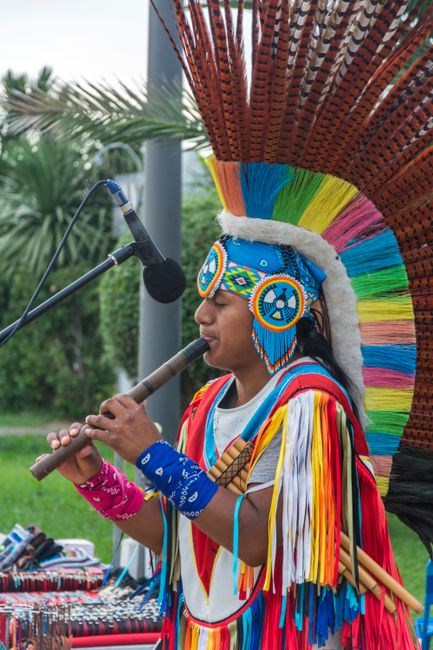
Use sacred objects, drum rhythms, and quiet meditation to invite guides․ Create a clean space, light sage, and ask respectfully․ Listen to dreams, observe nature signs, and record insights for guidance․ Seek guidance in silence․ Now!
Symbolic Tools (Totems, Runes, Medicine Wheels)
Totems, runes, and medicine wheels are central to Native American spiritual practice, serving as tangible links between the living and the unseen realms․ Each symbol carries layers of meaning that reflect the cultural narratives of specific tribes, yet their essence transcends individual groups, resonating across the continent․ Totems—often carved from cedar, birch, or stone—represent clan ancestry and personal identity, and are placed in sacred spaces to honor ancestors and invite guidance․ Runes, though sometimes associated with Germanic traditions, appear in Native contexts as carved symbols on bark or bone, each rune carrying a specific meaning—strength, protection, transformation․ When placed beside a medicine pouch or woven into a dreamcatcher, they act as conduits, allowing the spirit guide to communicate through subtle vibrations felt in the body․ Medicine wheels, usually circular arrangements of stones or sticks, represent the four directions, seasons, and life’s cycles․ By walking the wheel’s perimeter, a seeker aligns with earth, air, fire, and water energies, and the center stone becomes a focal point where the spirit guide’s presence is most potent․ These tools are not merely decorative; they are active participants in the spiritual dialogue․ Rituals involve chanting, drumming, and intentional breathwork to activate the symbols, and the guide’s voice is often heard as a whisper in the wind, a rhythm in the drum, or a visual pattern in the smoke․ In contemporary practice, artists incorporate digital media, creating virtual totems that resonate with younger generations, while modern adaptations preserve the essence of the tools and expand accessibility, ensuring that the connection to spirit guides remains vibrant across time and space․ Ultimately, the effectiveness of these symbolic tools hinges on intention, reverence, and the seeker’s openness, and when used with humility, they bridge the earthly and the divine, allowing Native American spirit guides to share their wisdom and support the journey toward wholeness more!!!
Meditation, Dreamwork, and Interpretation Techniques
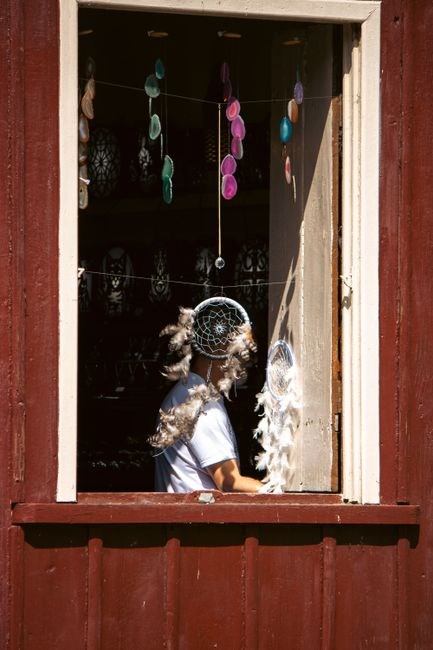
Native American spirit guides are revered as embodiments of the natural world, embodying wisdom and the earth’s energies․ In many traditions the guide is first encountered during a vision quest or meditation beneath a cedar tree, where the seeker listens to wind and the land’s heartbeat․ Once recognized, the relationship is nurtured through tools such as dreamcatchers, totems, and medicine wheels, each serving as a conduit for messages․ Dreamwork is central; the dreamer records symbols that appear, then consults a shaman or elder who interprets them through cultural lore․ A raven may signal change, a bear may indicate strength, and a river may represent flow and renewal․ Interpretation includes creating a dreamcatcher: weaving cedar bark and embedding feathers, filtering visions while allowing others to pass․ The dreamcatcher is hung above the bed, and the dreamer reflects on the morning’s visions, noting recurring patterns․ By integrating meditation, dreamwork, and interpretation, the individual deepens their relationship with spirit guides, receiving wisdom that is both personal and communal․ The practice is cyclical; after each dream the seeker returns to meditation, letting guidance settle into the body․ Over time, patterns emerge, and the spirit guide’s voice becomes clearer, guiding decisions about health, relationships, and stewardship of the land․ Respect for the guide is shown by offering gratitude before sleeping, placing a small offering of sweetgrass or cedar chips on the altar․ This ritual acknowledges that the guide’s presence is a gift, not a demand․ They guide us, offering insight and protection․ Guiding harmony․