Floral Pricing Guide: A Comprehensive Overview (Updated 04/14/2026)
Navigating floral costs requires understanding market dynamics, wholesale options like Flower Moxie, and seasonal availability․
Competitive pricing from suppliers,
such as Albuquerque Florist and Portland Wholesale Florist,
is crucial for event planning and DIY arrangements․
Understanding the Basics of Floral Pricing
Floral pricing isn’t simply a fixed amount per stem; it’s a complex equation influenced by numerous factors․ At its core, understanding floral pricing begins with recognizing the distinction between wholesale and retail costs․ Wholesale pricing, as offered by suppliers like Flower Moxie and Albuquerque Florist, provides a lower per-stem cost, ideal for DIY projects or florists purchasing in bulk․ However, this price doesn’t include arrangement labor or overhead․
Retail pricing, conversely, encompasses the cost of the flowers plus the florist’s design expertise, labor, and business expenses․ Portland Wholesale Florist highlights the availability of bulk options, impacting the overall cost․ A key element is recognizing that flower prices fluctuate significantly based on seasonality, demand, and even import/export costs․
Furthermore, the type of flower dramatically affects the price․ Common blooms like roses and lilies have established price ranges, but rarer or out-of-season varieties command a premium․ Ultimately, a transparent understanding of these basic principles empowers buyers to negotiate effectively and budget accurately for their floral needs, whether for a simple bouquet or a large-scale event․
Factors Influencing Flower Costs
Several interconnected elements drive fluctuations in flower pricing, extending beyond simple supply and demand․ Seasonality is paramount; flowers grown during their peak season are significantly more affordable than those requiring forced cultivation or importation․ Demand spikes during peak event seasons – like wedding season – inevitably increasing prices across the board․
Flower variety plays a crucial role, with rarer or more difficult-to-grow blooms commanding higher prices․ Transportation costs, particularly for imported flowers, add a substantial layer to the final price․ The condition and quality of the flowers also impact cost; premium grade flowers with longer vase lives are naturally more expensive․
Wholesale suppliers, such as those in Portland, Oregon, offer competitive pricing, but even these prices are subject to market forces․ Labor costs associated with harvesting, handling, and transportation contribute to the overall expense․ Finally, external factors like weather patterns and global events can disrupt supply chains, leading to unpredictable price increases․ Understanding these factors is vital for realistic floral budgeting․
Wholesale Flower Options & Suppliers
Accessing wholesale flower markets is essential for cost-effective floral procurement, particularly for large events or frequent arrangements․ Flower Moxie stands out as a prominent online wholesaler, offering DIY packages and mood board options to aid in estimation and planning․ Albuquerque Florist provides wholesale bunches, emphasizing affordability and quality for various projects – weddings, events, or personal use․
Portland Wholesale Florist caters specifically to wedding and event professionals, offering a broad selection of flowers, greens, supplies, and DIY combos․ Exploring regional wholesalers can minimize transportation costs and ensure freshness․ Online platforms often require minimum orders, so assessing your needs is crucial․
Direct relationships with flower farms, when feasible, can offer competitive pricing and unique varieties․ Comparing pricing across multiple suppliers is recommended to secure the best deals․ Remember to factor in shipping costs and handling fees when evaluating overall expenses․ Careful supplier selection is key to staying within budget․
Retail Flower Pricing Structures
Retail flower pricing typically incorporates several cost components beyond the wholesale flower price itself․ These include a markup to cover the florist’s expertise, design time, and overhead expenses like rent and utilities․ Pricing structures often vary based on arrangement size, flower type, and complexity of design․
Many florists utilize a tiered pricing system, offering pre-designed arrangements at fixed prices․ Custom designs are usually priced based on the cost of materials plus labor․ Expect higher prices during peak seasons like Valentine’s Day and Mother’s Day due to increased demand and potential supply limitations․
Delivery charges, setup fees for events, and the cost of any additional supplies (vases, ribbons, etc․) are typically added to the base price․ Transparency in pricing is crucial; a detailed quote should outline all associated costs․ Comparing prices from multiple florists is advisable to ensure fair market value․
Common Flower Types & Their Price Ranges
Flower costs fluctuate significantly based on variety, seasonality, and availability․ Roses, lilies, and hydrangeas represent popular choices,
with prices varying widely depending on these factors and supplier options․
Roses: Pricing by Variety & Season
Rose pricing is remarkably diverse, heavily influenced by both the specific variety and the time of year․ Standard roses, like those frequently used in mass arrangements, generally represent the most affordable option, often available at wholesale prices ranging from $1․50 to $4․00 per stem․ However, premium varieties – including garden roses, David Austin roses, and unique color blends – can command significantly higher prices, easily exceeding $8․00 to $15․00 per stem․
Seasonal demand plays a critical role․ Valentine’s Day, unsurprisingly, sees the highest rose prices due to peak demand, potentially doubling or tripling the usual cost․ Conversely, prices tend to be lower during off-peak seasons, such as late summer and early fall․ Importing roses also adds to the cost, particularly for varieties not grown locally․ Wholesale suppliers like Flower Moxie can offer DIY packages that help estimate rose costs for larger events․
Consider the stem length and bloom size as well; longer stems and larger, fully-opened blooms will naturally be more expensive․ Bulk purchases from wholesalers can reduce per-stem costs, but require careful planning to ensure proper storage and handling to maintain freshness․ Ultimately, understanding these factors is essential for accurate budgeting when incorporating roses into floral designs․
Lilies: Cost Variations & Availability
Lily pricing fluctuates considerably based on variety, season, and import status․ Asiatic lilies are typically the most budget-friendly, ranging from $2․00 to $5․00 per stem wholesale, while Oriental lilies, known for their strong fragrance and larger blooms, generally cost between $4․00 and $8․00․ Rare or specialty lilies, like Stargazer or Casablanca varieties, can easily exceed $10․00 per stem․
Availability is a key factor․ Lilies are generally more readily available during the spring and summer months, leading to lower prices․ However, during the winter, sourcing can be more challenging and expensive, often requiring imports․ Wholesale florists, such as those in Portland, Oregon, offer seasonal pricing that reflects these availability shifts․
The stage of bloom also impacts cost; buds are less expensive than fully opened flowers․ Pollen removal, a common practice to prevent staining, may incur an additional charge․ Bulk purchasing from wholesale suppliers can offer cost savings, but requires careful handling to prevent damage and maintain freshness․ Consider the overall design and desired aesthetic when selecting lily varieties to balance cost and visual impact․
Hydrangeas: Price Points & Factors Affecting Cost
Hydrangea pricing is notably variable, heavily influenced by bloom size, color, and seasonality․ Generally, wholesale hydrangeas range from $3․00 to $10․00 per stem, with premium varieties like antique or French hydrangeas commanding higher prices – potentially exceeding $12․00 per stem․ White hydrangeas are often the most affordable, while blue and purple shades tend to be more expensive due to dye processes or limited natural availability․
Import costs significantly impact pricing, especially during off-seasons․ Hydrangeas are sensitive to transportation and require careful hydration, adding to logistical expenses․ Wholesale suppliers, like those offering bulk flower options, can mitigate some costs through volume discounts․
Bloom fullness and quality are crucial considerations․ Tighter, more uniform blooms are generally preferred and priced accordingly; Hydrangeas are also prone to wilting, so freshness is paramount․ Proper storage and handling are essential to minimize waste and maximize value․ Consider the overall arrangement style; larger arrangements will naturally require a greater investment in hydrangea stems․
Seasonal Flower Pricing Trends
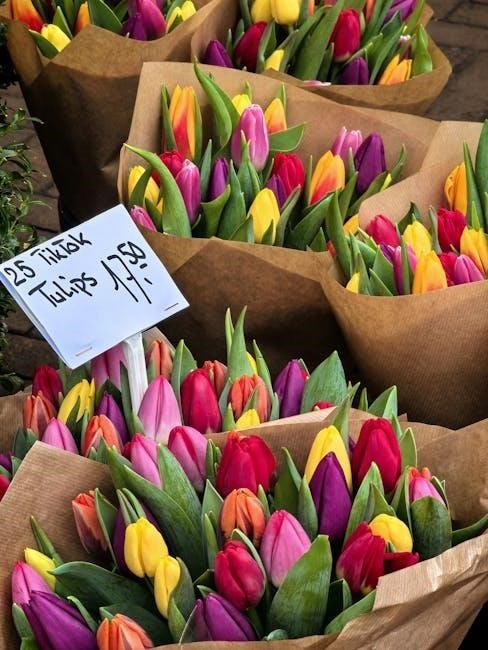
Flower prices fluctuate dramatically throughout the year, dictated by growing seasons and demand․ Spring flowers, like tulips and daffodils, are relatively affordable during their peak bloom (March-May) but become significantly more expensive as the season ends․ Summer offers a wider variety, with locally grown options often providing cost savings․ Roses, while available year-round, typically experience price increases around Valentine’s Day and Mother’s Day․
Autumn brings the richness of chrysanthemums and dahlias, generally priced moderately; Winter flower availability is limited, leading to higher costs for popular choices like amaryllis and certain lilies․ Portland Wholesale Florist highlights the importance of understanding these seasonal shifts for event planning․
Imported flowers are subject to additional costs, especially during unfavorable weather conditions that disrupt supply chains․ Utilizing seasonal, locally sourced blooms whenever possible can significantly reduce expenses and support local growers․ Monitoring wholesale market reports and supplier updates is crucial for staying informed about current pricing trends․
Pricing for Floral Arrangements
Arrangement costs depend on flower choices, size, and complexity․ DIY packages from Flower Moxie offer cost-effective options, while arch and mantle designs require more labor and materials․
DIY Flower Packages & Mood Boards
For those embracing a hands-on approach, DIY flower packages and mood boards present a fantastic avenue for controlling costs and personalizing floral designs․ Resources like Flower Moxie specialize in providing these packages, offering pre-selected flower combinations and quantities tailored to various event styles and sizes․
Mood boards serve as visual blueprints, allowing you to define your desired aesthetic and flower palette before making any purchases․ This proactive planning minimizes waste and ensures you acquire only the blooms necessary to achieve your vision․ Utilizing mood boards also facilitates clearer communication with potential helpers or florists if you require assistance with arrangement construction․
These packages typically include a curated selection of stems, greenery, and sometimes even basic supplies․ However, it’s essential to factor in additional costs for essential tools like floral tape, wire, and vases․ Carefully reviewing package contents and comparing prices across different suppliers is crucial to securing the best value․ Remember to consider shipping costs, especially when ordering from online wholesalers, as these can significantly impact the overall expense․ DIY options empower creativity while offering substantial savings compared to fully customized arrangements․
Arch & Mantle Arrangement Pricing Considerations
Arch and mantle arrangements represent a significant floral investment, demanding careful pricing evaluation due to their scale and labor intensity․ These installations typically require a substantial quantity of flowers and foliage, driving up material costs considerably․ The complexity of the design – whether a simple garland or a fully immersive floral covering – directly impacts both material usage and the time required for construction․
Consider the arch or mantle’s size and shape; larger structures necessitate more flowers․ Floral foam, wiring, and attachment mechanisms add to the material expenses․ Labor costs are also a major factor, as these arrangements often involve skilled designers and multiple hours of on-site installation․
Discussing the design’s intricacy with your florist is crucial for obtaining an accurate quote․ Be prepared to provide detailed inspiration images and clarify your expectations regarding flower types and density․ Remember that arrangements requiring extensive travel or setup at a remote location will incur additional fees․ A transparent breakdown of material and labor costs ensures a fair and predictable final price․
Pricing Based on Arrangement Size & Complexity
Floral arrangement pricing is fundamentally linked to both its physical dimensions and the intricacy of its design․ A petite, minimalist bouquet will naturally cost less than a large, cascading centerpiece․ Size is typically assessed by stem count or overall volume, with prices increasing proportionally․ However, complexity introduces a significant variable․
Simple, monochromatic arrangements utilizing fewer flower varieties are generally more affordable․ Conversely, designs incorporating a wide range of blooms, intricate textures, and unique structural elements demand greater skill and time, justifying a higher price point․ The use of specialty flowers, rare varieties, or those requiring specific handling techniques also elevates costs․
Consider the design’s overall form – a tightly packed, symmetrical arrangement requires more precision than a looser, more organic style․ Discussing your desired aesthetic with your florist will help establish realistic expectations and ensure the final price reflects the arrangement’s true value and the artistry involved․
Labor Costs & Designer Fees
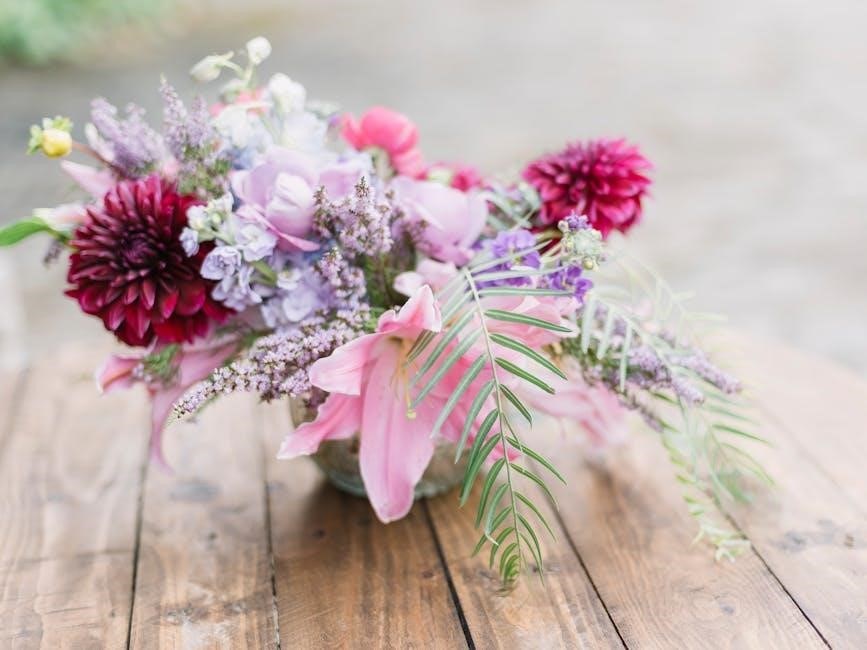
Skilled floral design demands fair compensation; rates vary based on experience and arrangement complexity․
Transparency in labor costs, alongside supply expenses,
ensures equitable pricing for both designers and clients․
Calculating Fair Labor Rates
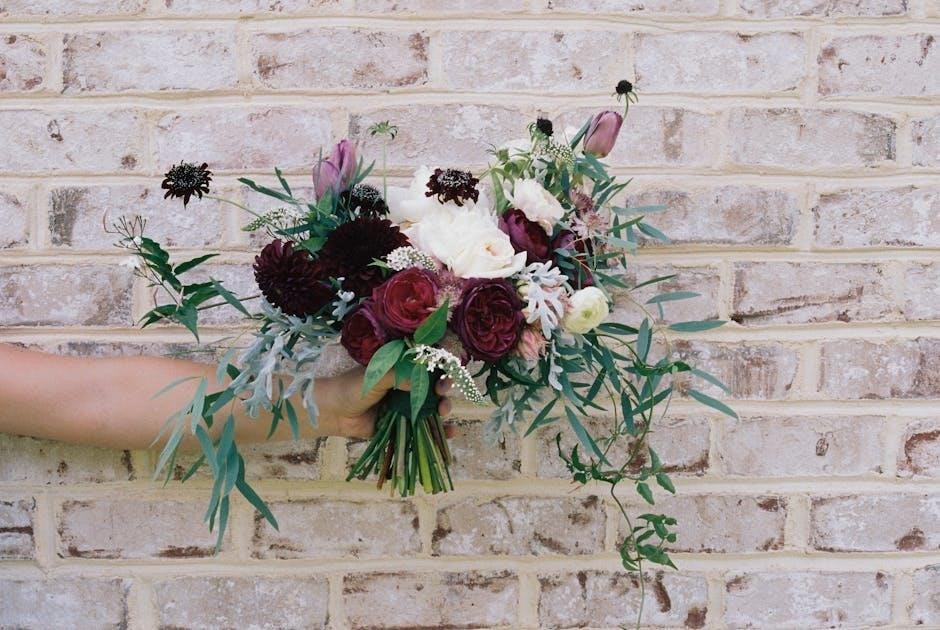
Determining a just labor rate for floral designers requires a multifaceted approach, considering experience, skill level, and the intricacy of the design work․ A simple hourly rate isn’t always sufficient; many designers prefer a project-based fee, especially for larger events like weddings․ This allows for compensation reflecting the total time investment, including consultations, flower sourcing, arrangement creation, delivery, and setup․
Begin by researching prevailing rates in your geographic area․ Online forums, like those on Reddit (r/weddingplanning), often discuss fair pricing practices․ Factor in your own overhead costs – studio space, tools, marketing – when establishing your base rate․ Consider a tiered system: basic bouquets might have a lower labor charge than elaborate installations or complex centerpieces․
Transparency is key․ Clearly outline your labor fees in a contract, detailing what’s included․ Discuss payment terms upfront, potentially requesting partial payment to cover initial flower purchases, as suggested in online discussions․ Remember, undervaluing your skills can lead to burnout, while overcharging can deter potential clients․ Finding a balance that reflects your expertise and provides a sustainable income is paramount․
Additional Costs: Supplies, Delivery, & Setup
Beyond flower costs and labor, several supplementary expenses significantly impact the final price of floral arrangements․ Essential supplies – vases, floral foam, ribbons, wiring, and preservatives – contribute a notable percentage to the overall budget․ These costs vary based on quality and design complexity; premium materials naturally increase expenses․
Delivery charges must account for distance, vehicle costs, and the time required for safe transport․ For large events, consider potential mileage fees or a flat delivery rate based on location․ Setup fees are crucial, particularly for installations like arches or mantles, which demand considerable time and expertise, as highlighted in discussions regarding labor-intensive arrangements․
Don’t overlook potential incidentals: box/bundle costs from wholesalers (like Portland Wholesale Florist), or fees for handling fragile items․ Transparency is vital; itemize these costs clearly in your proposal․ Accurate accounting of all expenses ensures profitability and prevents unexpected financial burdens․