
Boba carriers offer a comfortable and convenient way to keep your little one close, utilizing fabric or a structured design for secure babywearing.
Reddit discussions highlight the availability of educational support from Boba, and emphasize babywearing as a safe and nurturing practice for both parent and child.
What is a Boba Carrier?
Boba Carriers represent a diverse range of babywearing solutions, encompassing wraps, air carriers, and structured options like the Freedom Carrier. These carriers are designed to facilitate close physical contact between parent and baby, promoting bonding and offering hands-free convenience.
Unlike simply holding a baby in your arms, a Boba Carrier distributes weight effectively, reducing strain on the wearer. Reddit discussions confirm that Boba offers support through their babywearing educator team, accessible via email for specific questions.
Different styles cater to varying needs and baby ages, from newborn-friendly wraps to more supportive carriers for older, more active infants; Understanding the specific features of each Boba carrier type is crucial for safe and comfortable use, as highlighted by user experiences shared online.
Benefits of Babywearing with a Boba Carrier
Babywearing with a Boba Carrier offers numerous advantages for both baby and caregiver. It fosters a strong emotional connection through close physical proximity, promoting a sense of security and calm for the infant. This practice allows parents to remain hands-free, enhancing productivity and daily activity participation.
Reddit discussions emphasize babywearing as a nurturing practice. Boba carriers distribute weight evenly, minimizing physical strain on the wearer’s back and shoulders.
Furthermore, babywearing can aid in digestion and promote healthy hip development, particularly when carriers support the natural “M-position”. While learning, some users initially experience challenges, like nearly dropping the baby, but quickly adapt with practice and utilize structured carriers for increased security.
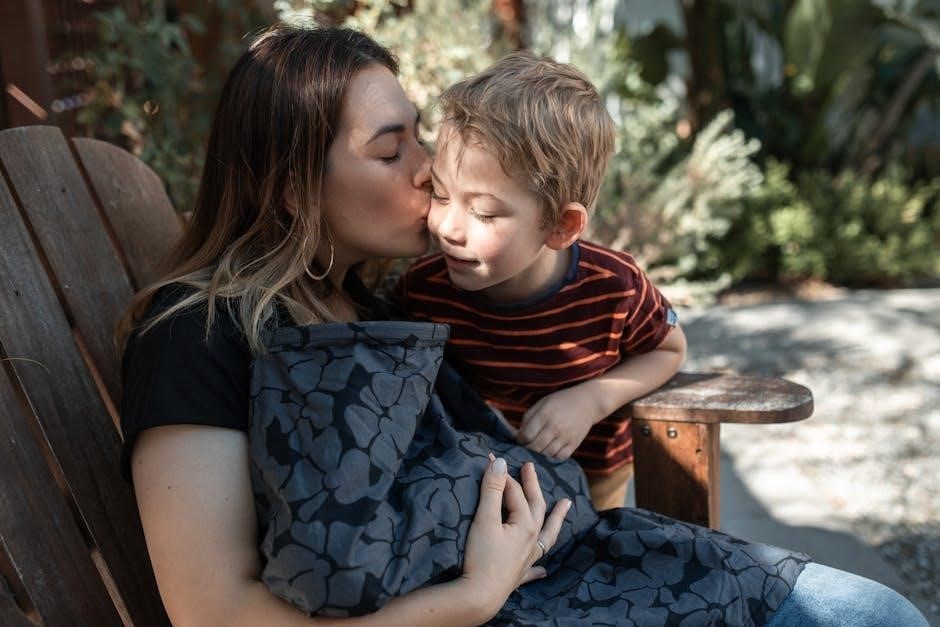
Types of Boba Carriers
Boba offers diverse carriers like the Wrap, Air, and Freedom, catering to different preferences and stages, from newborns to older babies, ensuring a comfortable fit.
Boba Wrap Carrier
The Boba Wrap is a stretchy, woven carrier ideal for newborns and younger babies, offering a snug and secure hold. Reddit discussions suggest pre-tying the wrap looser on yourself, then inserting the baby and tightening for optimal support.
This method allows for a customized fit and ensures the baby is held close; However, caution is advised as babies grow and become more wriggly; one user shared a near-drop experience, leading them to transition to a structured carrier for increased security.
Visual learning is highly recommended – searching for “Ergo Aura” tying tutorials on YouTube can provide helpful demonstrations, as Ergo offers excellent instructional videos applicable to similar wrap styles.
Boba Air Carrier
The Boba Air is designed for quick and easy babywearing, particularly for back carries. Instructions detail placing the carrier on your back, then carefully positioning the baby. Simultaneously, bend forward to shift the baby’s weight onto your back, ensuring a secure and comfortable hold.
Fasten the chest strap at armpit level to complete the process. Boba includes removable foot straps intended for use with shoes, adding an extra layer of security. Remember to always undo the hook-and-loop fasteners when not in use.
This carrier offers a streamlined approach to back carrying, making it a convenient option for active parents.
Boba Freedom Carrier
The Boba Freedom Carrier, including the “Together” version, offers versatility in carrying positions. For specific questions or detailed guidance, Boba recommends contacting their babywearing educator via email at educatorboba.com. This personalized support ensures you understand the carrier’s features and proper usage.
While general instructions aren’t explicitly detailed in the provided snippets, the emphasis on educator support suggests a more complex setup requiring expert guidance. Babywearing, in general, involves securely holding your baby close to your body using fabric or a carrier.
The Freedom Carrier aims to provide comfort and security for both parent and child.
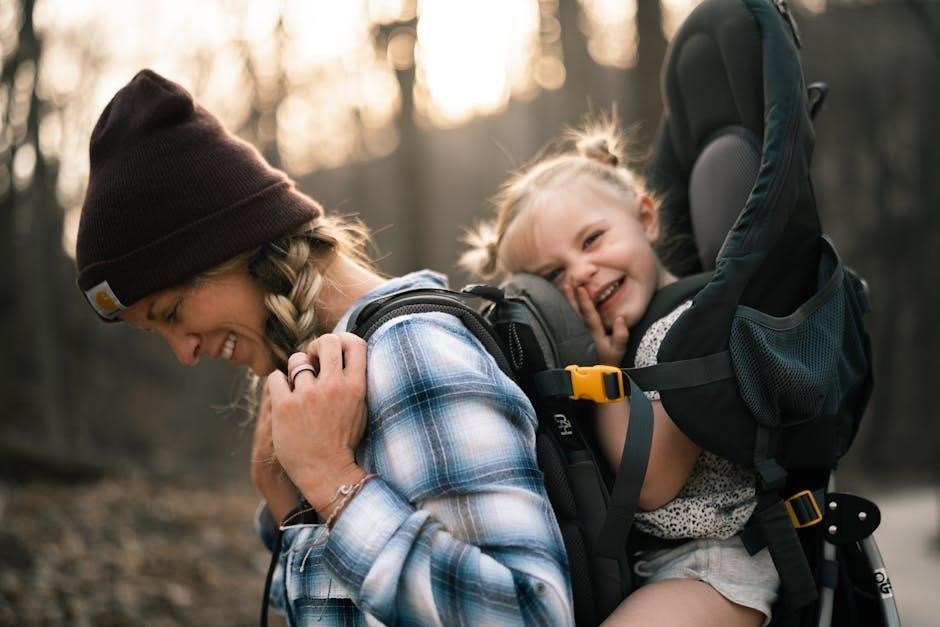
Preparing Your Boba Carrier
Before use, carefully check the carrier for safety and proper adjustments, ensuring a secure fit for both you and your baby, as emphasized by Boba’s support.
Checking for Safety and Adjustments
Prior to each use, a thorough safety check of your Boba carrier is crucial. Inspect all seams, straps, buckles, and fabric for any signs of wear and tear. Ensure the fabric is free from holes or fraying that could compromise its integrity.
Adjust the straps to achieve a snug, yet comfortable fit. The carrier should hold your baby securely against your body without being overly tight. Pay close attention to the panel width, ensuring it adequately supports your baby’s legs in a healthy, ergonomic position.
Remember Boba offers educational resources; utilize their support for specific questions regarding your carrier model. Proper adjustment is paramount for both comfort and safety, preventing potential slips or discomfort during babywearing.
Proper Carrier Positioning on the Wearer
Correct positioning is fundamental for comfortable and safe babywearing with a Boba carrier. Begin by ensuring the waist belt sits securely at your natural waist, providing a stable base of support. Distribute the baby’s weight evenly across your back and shoulders, avoiding concentrated pressure points.
The shoulder straps should be adjusted to prevent digging or chafing, allowing for a full range of motion. Maintain an upright posture to support your baby’s spine and breathing. Remember to bend at the knees when lowering or lifting your baby into the carrier, protecting your back.
A well-positioned carrier minimizes strain on your body and maximizes comfort for both you and your little one, enabling extended periods of enjoyable babywearing.

Front Carry Instructions
Front carries with a Boba carrier accommodate newborns facing in, or older babies facing out, offering closeness and exploration.
Stretchy wraps, like Boba, can be pre-tied and then baby is placed inside and tightened for a secure hold.
Newborn Front Carry (Facing In)
Positioning your newborn in a Boba carrier for a front carry, facing inwards, requires careful attention to safety and comfort. Begin by ensuring the carrier is properly adjusted to your body, with the panel height suitable for a newborn – high and snug.
Gently place your baby into the carrier, ensuring their legs are in the “M-position” – knees higher than their bottom, supporting their spine. Support baby’s head and neck with the carrier’s fabric, maintaining a clear airway.
Tighten the carrier panels to create a secure hold, ensuring baby is close to your chest for optimal bonding and support. Remember, a snug fit is crucial, but avoid over-tightening. Reddit discussions emphasize the importance of a secure hold, especially as babies grow and become more mobile, to prevent accidental slips.
Older Baby Front Carry (Facing Out)
Transitioning to a front-facing carry with an older baby in a Boba carrier allows for exploration and interaction. Ensure the carrier panel is lowered to accommodate your baby’s increased height and weight. Carefully lift your baby and gently position them facing outwards, supporting their back and legs.
Confirm their legs are still in the “M-position,” promoting healthy hip development. Tighten the carrier panels, ensuring a secure and comfortable fit, while allowing enough room for movement.
Be mindful of your baby’s cues; if they seem overwhelmed or tired, revert to a facing-in position. Reddit users caution about potential drops as babies become more active, highlighting the need for a firm grip and a well-adjusted carrier.
Back Carry Instructions
Securely position the Boba carrier on your back, utilizing the foot straps for added stability. Shift baby’s weight, fasten the chest strap, and ensure a comfortable fit;
Back Carry with Boba Air
Initiating a back carry with the Boba Air involves placing the carrier on your back, ensuring the shoulder straps are comfortably positioned. Carefully lift your baby and gently lower them into the carrier, supporting their head and neck throughout the process.
According to Boba’s instructions, place one foot through the carrier, then the other, simultaneously bending forward to shift the baby’s weight onto your back. This maneuver requires practice and potentially assistance initially, as maintaining balance is crucial. Remember to utilize the removable foot straps with shoes for enhanced security and stability during the back carry.
Always prioritize a secure and comfortable fit for both you and your baby when attempting this carry position.
Securing the Back Carry
Once your baby is positioned securely in the back carry with the Boba Air, the final step is fastening the chest strap. This strap should be secured at armpit level, providing crucial support and preventing the shoulder straps from slipping.
Ensure the strap isn’t too tight, restricting your breathing, or too loose, compromising the carrier’s stability. Double-check that all buckles and fasteners are securely closed before moving around. Remember Boba’s note regarding the foot straps – they are designed for use with shoes, enhancing your footing and control.

A properly secured back carry allows for hands-free movement while keeping your baby safe and close.

Adjusting for Comfort and Safety
Fine-tune the Boba carrier by tightening or loosening straps for optimal fit. Prioritize proper leg positioning – the ‘M-position’ – for healthy hip development and comfort.
Tightening and Loosening the Carrier
Achieving a secure and comfortable fit with your Boba carrier relies on mastering adjustments. Begin by ensuring all straps – shoulder, waist, and chest – are appropriately tightened. The goal is snugness, not restriction; you should be able to comfortably fit a hand between the carrier and your body.
To tighten, simply pull the straps through their buckles. Conversely, loosening involves releasing the buckles and pulling more strap through. Regularly check tightness, especially as your baby grows or shifts position. Remember, a properly tightened carrier distributes weight effectively, reducing strain on your back and shoulders.
Pay attention to how the carrier feels during movement. If it feels loose or your baby is sagging, tighten the straps incrementally until a secure hold is achieved.
Ensuring Proper Leg Positioning (M-Position)
Prioritizing hip health is crucial when babywearing. The “M-position” – where your baby’s legs are bent and spread apart, forming a natural “M” shape – supports healthy hip development. Ensure your baby’s knees are higher than their bottom, and their thighs are well-supported by the carrier.

This position allows for a natural curve of the spine and prevents legs from dangling straight down. Check that the carrier fabric adequately supports the entire length of the thigh, from the hip to the knee. Avoid positions where the legs are constricted or forced straight.
Proper leg positioning promotes comfort for your baby and minimizes the risk of hip dysplasia.

Safety Precautions
Always follow the TICKS rule – Tight, In close, Correct in carrier, Keep chin off chest, and Supported back – for safe babywearing practices with your Boba carrier.
TICKS Rule for Safe Babywearing
The TICKS acronym is a crucial guideline for ensuring your baby’s safety and comfort while using a Boba carrier, or any babywearing device. T stands for Tight – the carrier should be snug against your body, minimizing gaps. I represents In close, meaning your baby should be positioned close enough to easily kiss the top of their head.
C signifies Correct positioning in the carrier, ensuring proper support for their back and hips. K is for Keep chin off the chest – always verify your baby’s airway is open and unobstructed. Finally, S means Supported back; the carrier must maintain the natural curve of your baby’s spine.
Adhering to TICKS promotes healthy hip development and prevents breathing difficulties, creating a secure and enjoyable babywearing experience.
Weight Limits and Age Recommendations
Boba carriers accommodate a range of ages and weights, but understanding these limits is vital for safe use. Generally, Boba wraps are suitable for newborns – even premature babies – up to around 20-30 pounds, depending on the specific wrap and your comfort. Structured carriers like the Boba Air and Freedom typically support babies from 7-45 pounds.
Always consult the specific product manual for precise weight guidelines. While some carriers allow for front and back carries with older babies, ensure they have sufficient head and neck control before attempting outward-facing positions. Prioritize your baby’s developmental stage and comfort when choosing a carry style.

Cleaning and Maintenance
Boba carriers require gentle care to maintain hygiene and longevity; follow washing instructions provided by the manufacturer for optimal fabric preservation and safety.
Washing Instructions
Maintaining cleanliness is crucial for your Boba carrier and your baby’s health. Always refer to the specific care label attached to your carrier, as instructions can vary slightly depending on the model – Wrap, Air, or Freedom. Generally, machine washing is permitted on a gentle cycle using cold water.
Avoid using harsh detergents, bleach, or fabric softeners, as these can compromise the fabric’s integrity and potentially irritate your baby’s skin. A mild, baby-safe detergent is recommended. When machine washing, it’s best to place the carrier inside a mesh laundry bag to protect it from snagging or twisting.

Air drying is strongly encouraged to prevent shrinking or damage. If you must use a dryer, select the lowest heat setting and remove the carrier promptly to avoid overheating. Do not iron the carrier. Regular, gentle cleaning will ensure your Boba carrier remains a safe and comfortable haven for your little one.
Storage Guidelines
Proper storage extends the life of your Boba carrier and keeps it ready for your next adventure. When not in use, store your carrier in a cool, dry place away from direct sunlight, which can fade the colors and weaken the fabric. Avoid storing it in damp environments, as this can lead to mildew growth.
For Wrap carriers, loosely folding or rolling is preferable to tightly packing, preventing creases that may become difficult to remove. Air carriers and Freedom carriers can be neatly folded and stored in a drawer or on a shelf.
Avoid storing the carrier with items that could potentially snag or damage the fabric, such as zippers or rough surfaces. A breathable storage bag can protect it from dust while allowing air circulation. Consistent, mindful storage ensures your Boba carrier remains a reliable and comfortable option for years to come.