
NFSI Study Guide: Comprehensive Preparation
Embarking on a firefighting career demands rigorous preparation, and the NFSI exam is a crucial first step․ This guide provides essential resources and strategies for success,
leveraging information from Palm Beach State College and firefighter-test․com․ Focused study, utilizing specialized software, significantly enhances efficiency and test performance․ Understanding the exam’s components – cognitive ability, mechanical aptitude, situational judgement, and personality assessment – is paramount;

What is the NFSI?
The National Firefighter Selection Inventory (NFSI) serves as a widely adopted pre-employment testing tool for fire departments across the nation․ It’s designed to assess a candidate’s aptitude and suitability for the demanding role of a firefighter, encompassing a broad spectrum of essential skills and characteristics․ This standardized exam isn’t merely a test of knowledge; it evaluates cognitive abilities, mechanical reasoning, judgment in realistic scenarios, and even personality traits deemed crucial for success in firefighting․
Departments utilize the NFSI to efficiently screen applicants, ensuring they possess the foundational capabilities needed to handle the physical and mental challenges inherent in the profession․ Resources like those found at Palm Beach State College highlight its use for EMT, Paramedic, and Firefighter entrance exams․ Passing the NFSI is often a gateway to further stages in the hiring process, making thorough preparation absolutely vital for aspiring firefighters․
NFSI Exam Overview
The NFSI exam is a comprehensive assessment, typically administered online, and comprised of several distinct sections designed to evaluate a candidate’s overall suitability for a firefighting career․ It’s not a pass/fail test with a single score, but rather a series of evaluations used collectively by fire departments during the selection process․ The exam duration can vary, but candidates should anticipate dedicating a significant block of time to complete all components․
Firefighter-test․com emphasizes that focused preparation is key, as the NFSI covers diverse areas․ Departments often weigh different sections based on their specific needs․ Understanding the exam’s structure and content is crucial for effective study․ Successful candidates demonstrate not only knowledge but also the ability to apply that knowledge in practical, firefighting-related contexts․ Preparation software can significantly improve efficiency and focus․
Exam Components
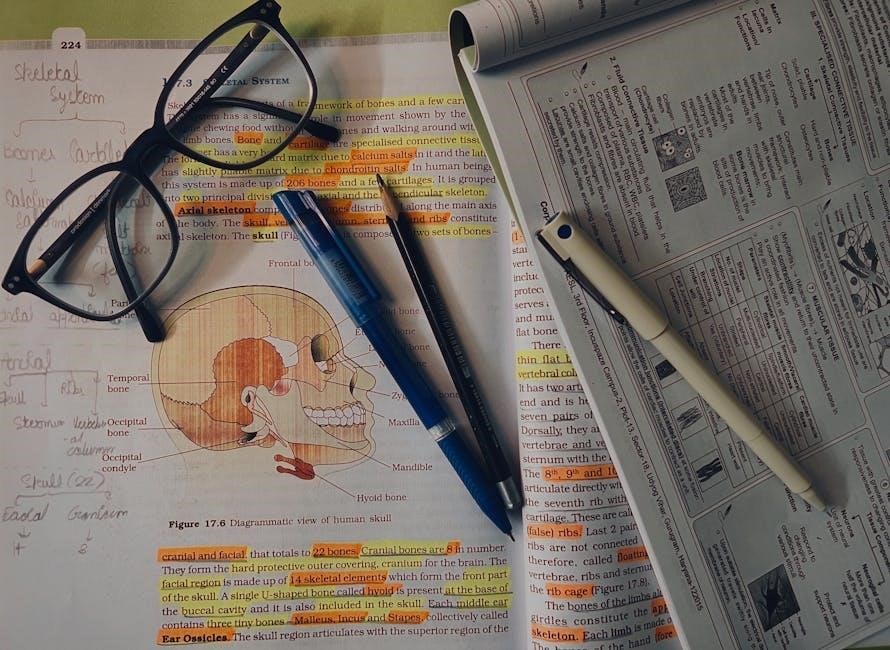
The NFSI exam is structured around four primary components, each assessing different critical attributes for firefighters․ These include a Cognitive Ability section, evaluating general intelligence and learning capacity; a Mechanical Aptitude test, gauging understanding of mechanical principles and tools; and a Situational Judgement assessment, examining decision-making skills in realistic firefighting scenarios․
Perhaps the most frequently cited challenge, according to Reddit’s r/Firefighting community, is the Personality Assessment․ This component aims to determine a candidate’s character traits and behavioral tendencies․ Departments utilize these results to predict job performance and team compatibility․ Mastering all four areas requires dedicated study and practice․ Resources from Palm Beach State College LibGuides and firefighter-test․com offer valuable preparation materials tailored to each component’s specific demands․
Understanding the NFSI Sections
The NFSI assesses candidates through cognitive ability, mechanical aptitude, situational judgement, and personality evaluations․ Each section uniquely gauges essential skills for effective firefighting performance․
Cognitive Ability
The Cognitive Ability section of the NFSI evaluates a candidate’s general learning and reasoning skills, crucial for quickly grasping new information and adapting to dynamic situations encountered in firefighting․ This component tests verbal reasoning, numerical aptitude, and spatial relations – abilities vital for interpreting procedures, performing calculations under pressure, and understanding complex spatial layouts during emergency response․
Strong performance requires a solid foundation in basic math, reading comprehension, and problem-solving․ Candidates should practice identifying patterns, drawing logical inferences from text, and accurately interpreting numerical data․ Preparation resources often include practice tests designed to mimic the format and difficulty level of the actual NFSI cognitive assessment․ Improving these skills will significantly boost your overall score and demonstrate your potential for success in a demanding firefighting role․
Mechanical Aptitude
The Mechanical Aptitude section of the NFSI assesses a candidate’s understanding of fundamental mechanical principles, essential for operating and maintaining firefighting equipment․ This portion of the exam tests knowledge of levers, pulleys, gears, and other simple machines, as well as concepts related to force, motion, and energy․ Firefighters frequently encounter complex mechanical systems, demanding a practical grasp of how things work․
Effective preparation involves reviewing basic physics concepts and practicing identifying mechanical advantages in various scenarios․ Familiarity with tools and equipment commonly used in firefighting is also beneficial․ Study materials often include diagrams and questions requiring candidates to visualize how mechanical systems function․ A strong performance in this section demonstrates an aptitude for troubleshooting, repair, and safe equipment operation – critical skills for any firefighter․
Situational Judgement
The Situational Judgement section of the NFSI evaluates a candidate’s ability to make sound decisions under pressure, mirroring the dynamic and often unpredictable nature of firefighting․ This component presents realistic scenarios firefighters might encounter, requiring candidates to select the most appropriate course of action from a range of options․ It assesses qualities like problem-solving, teamwork, leadership, and adherence to safety protocols․
Preparation for this section involves carefully analyzing each scenario and considering the potential consequences of different responses․ Understanding departmental policies and ethical guidelines is crucial․ There isn’t necessarily one “right” answer, but rather the most effective response given the circumstances․ Candidates should focus on demonstrating professionalism, sound judgment, and a commitment to both crew and public safety․ Practicing with sample scenarios will build confidence and refine decision-making skills․
Personality Assessment
The NFSI’s Personality Assessment is often cited as a significant hurdle for candidates, focusing on behavioral traits and tendencies relevant to successful firefighting․ Unlike sections with definitive answers, this component explores characteristics like dependability, integrity, emotional stability, and the ability to work effectively within a team․ It’s designed to identify individuals who are likely to thrive in the demanding and high-stress environment of a fire department․
Many applicants, as discussed on Reddit’s r/Firefighting, struggle with this section, finding it difficult to predict the “ideal” responses․ The key isn’t to try and game the system, but to answer honestly and consistently, reflecting genuine behaviors․ Avoid extreme responses and focus on portraying a balanced and reliable personality․ Understanding that departments seek candidates who are adaptable, resilient, and committed to public service is vital for navigating this assessment․

Preparing for the NFSI Exam
Effective preparation involves utilizing study resources, practice tests, and focused software․ Mastering time management is also crucial for success on this comprehensive assessment․
Study Resources
Numerous resources are available to aid in NFSI preparation, catering to diverse learning styles․ Palm Beach State College LibGuides offer valuable test information and study guides specifically tailored for the NFSI – EMT, Paramedic, and Firefighter exams․ These guides provide a foundational understanding of the exam’s scope and content․
Furthermore, exploring general study materials covering cognitive abilities, mechanical aptitude, and situational judgement can prove beneficial․ Remember that the NFSI assesses a broad range of skills, so a multifaceted approach to studying is recommended․ Don’t underestimate the importance of understanding firefighting terminology, as it frequently appears in exam questions․
Supplementing these resources with dedicated NFSI study guides, like the “STANDARD EDITION NATIONAL FIREFIGHTER SELECTION INVENTORY STUDY GUIDE”, can provide a good idea of the question types you’ll encounter․ Consistent and focused study, utilizing these varied resources, will significantly increase your chances of success․
Practice Tests & Software
Utilizing practice tests and specialized software is paramount for effective NFSI preparation․ Firefighter-test․com offers preparation software specifically designed for the NFSI, going beyond simple question banks․ Their tools aim to make your training more efficient and focused, simulating the real exam environment․ Regularly taking practice tests allows you to familiarize yourself with the question formats, identify areas for improvement, and build confidence․
These resources often include detailed explanations for both correct and incorrect answers, enhancing your understanding of the underlying concepts․ Focus on timed practice to simulate the pressure of the actual exam․ Remember, focused preparation is far more effective than simply reviewing material․
Consistent use of these tools will refine your test-taking strategies and maximize your potential score, ultimately increasing your chances of landing your desired firefighting position․
Time Management Strategies
Effective time management is critical for success on the NFSI exam, given its diverse sections and time constraints․ Allocate specific study time to each section – cognitive ability, mechanical aptitude, situational judgement, and the personality assessment – based on your individual strengths and weaknesses․ During practice tests, strictly adhere to the time limits to simulate exam conditions․
Prioritize questions; don’t spend excessive time on any single item․ If you’re stuck, make an educated guess and move on, returning to difficult questions if time permits․ Develop a pacing strategy to ensure you attempt all questions․
Regularly review completed practice tests, analyzing where you lost time and adjusting your approach accordingly․ Mastering time management will significantly improve your score and reduce test anxiety․

Specific Content Areas to Focus On
Prioritize mathematics, reading comprehension, mechanical principles, and firefighting terminology for optimal NFSI preparation․ A solid grasp of these areas will boost your overall performance․
Mathematics & Basic Calculations
The NFSI incorporates fundamental mathematical skills essential for firefighting scenarios․ Expect questions involving basic arithmetic – addition, subtraction, multiplication, and division – applied to practical situations like calculating water pressure, hose lengths, and chemical mixtures․
Understanding percentages, ratios, and proportions is also crucial, as these concepts frequently appear in dosage calculations for medications and determining concentrations of foam solutions․
Familiarize yourself with converting between units of measurement (e․g․, feet to inches, gallons to liters) and solving simple algebraic equations․
While advanced mathematics isn’t typically required, a strong foundation in these core concepts will significantly improve your score and confidence on the exam․ Practice these skills regularly to ensure accuracy and speed․
Reading Comprehension
Strong reading comprehension is vital for success on the NFSI, as it assesses your ability to understand and interpret written materials quickly and accurately․ The exam presents passages related to firefighting procedures, safety regulations, and incident reports․
Expect questions that test your ability to identify main ideas, draw inferences, and understand complex terminology․
You’ll need to analyze information presented in various formats, including charts, graphs, and diagrams․
Practice reading technical manuals and safety guidelines to familiarize yourself with the language and concepts commonly used in the fire service․
Focus on improving your speed and accuracy, and learn to skim passages effectively to locate key information․ A solid reading comprehension score demonstrates your ability to learn and apply new knowledge․
Mechanical Principles
The NFSI’s mechanical aptitude section evaluates your understanding of fundamental physics and mechanical concepts relevant to firefighting equipment and operations․ This includes principles like leverage, hydraulics, friction, and simple machines – pulleys, levers, and gears․
Expect questions involving force, motion, pressure, and fluid dynamics․ You’ll be asked to solve problems related to tool usage, equipment maintenance, and structural stability․
Familiarize yourself with how firefighting tools function, such as pumps, hoses, and ladders․ Understanding the mechanical advantages of different tools is crucial․
Review basic concepts of weight, balance, and center of gravity․ Practice visualizing how forces act on objects․ A strong grasp of mechanical principles ensures safe and effective equipment operation․
Firefighting Terminology
A solid understanding of firefighting terminology is essential for success on the NFSI exam and a safe career․ You’ll encounter specialized vocabulary related to fire behavior, suppression tactics, equipment, and hazardous materials․
Familiarize yourself with terms describing different classes of fires (A, B, C, D, K), common extinguishing agents, and fire stream patterns․
Learn the definitions of terms related to building construction, ventilation, and forcible entry․ Understand the language used in incident command systems and radio communications․
Mastering this terminology demonstrates your foundational knowledge and ability to comprehend complex instructions․ Resources like training manuals and online glossaries can significantly aid your preparation․ A strong vocabulary builds confidence and improves comprehension during the exam․

Addressing Common Challenges
Many candidates struggle with the NFSI personality test and experience test anxiety․ Developing cognitive skills and employing effective time management are vital for overcoming these hurdles․

The Personality Test
The NFSI personality assessment presents a unique challenge for many aspiring firefighters․ Unlike sections with definitive right or wrong answers, this component evaluates behavioral tendencies and suitability for the demanding role․ Reddit discussions reveal consistent difficulty among applicants, with many reporting repeated failures despite strong performance on other exam sections․
It’s crucial to understand this isn’t a test you can “study” for in the traditional sense․ Instead, focus on self-awareness and honest self-assessment․ Avoid attempting to second-guess the “correct” answer or portray an idealized version of yourself․ Consistency in your responses is key; contradictory answers can raise red flags․
Remember, fire departments seek individuals who demonstrate teamwork, integrity, and emotional stability․ Authenticity is paramount, as the goal is to identify candidates whose natural inclinations align with the core values of the fire service․ Prepare to answer questions about your reactions to stressful situations and your preferred working style․
Overcoming Test Anxiety
Test anxiety can significantly hinder performance on the NFSI exam, despite adequate preparation․ Recognizing and addressing these feelings is crucial for success․ Implement relaxation techniques such as deep breathing exercises and mindfulness to calm your nerves before and during the test․
Effective time management during practice tests builds confidence and reduces stress on exam day․ Simulate the testing environment as closely as possible to acclimate yourself to the conditions․ Prioritize sufficient sleep and a healthy diet in the days leading up to the exam to optimize cognitive function․
Positive self-talk and visualization can also be powerful tools․ Remind yourself of your preparation and capabilities․ If anxiety becomes overwhelming, briefly pause, take a few deep breaths, and refocus on the task at hand․ Remember, a calm and focused mindset is essential for optimal performance․
Improving Cognitive Skills
Sharpening cognitive abilities is vital for excelling in the NFSI’s challenging sections․ Regular mental exercises, such as puzzles, brain teasers, and logic games, can enhance critical thinking and problem-solving skills․ Focus on improving reading comprehension by practicing with diverse texts and summarizing key information․
Strengthening memory through techniques like spaced repetition and mnemonic devices will aid in recalling firefighting terminology and mechanical principles․ Dedicate time to practicing mathematical calculations, focusing on speed and accuracy․
Utilize practice tests to identify areas needing improvement and track your progress․ Analyze your mistakes to understand underlying weaknesses and adjust your study strategy accordingly․ Consistent cognitive training will build confidence and improve overall test performance․

Resources and Further Information
Explore Palm Beach State College LibGuides and firefighter-test․com for valuable NFSI study materials, test information, and preparation software to maximize your success․
Palm Beach State College LibGuides
Palm Beach State College’s LibGuides offer a centralized hub of resources specifically tailored for prospective EMT, Paramedic, and Firefighter candidates preparing for the NFSI exam․ This invaluable resource, accessible through their campus library system, provides direct links to test information and a curated selection of study guides designed to bolster your understanding of the exam’s core components․
The LibGuides extend beyond just the NFSI, encompassing preparation materials for other crucial assessments like the CJBAT (Criminal Justice Basic Abilities Test), CLEP (College-Level Examination Program), HESI (Health Education Systems Incorporated) for nursing programs, and the PERT & TABE placement exams․ However, the dedicated NFSI section focuses on providing targeted support, including details about the Public Safety Exams testing and certification process, and a clear timeline for exam availability – currently noted as 2025-06-05T00:00:00․ Utilizing these resources can significantly enhance your preparation strategy․
Firefighter-test․com Resources
Firefighter-test․com presents itself as a comprehensive platform dedicated to assisting candidates in navigating the NFSI exam and securing a firefighting position․ They emphasize that while self-study is possible, a focused and strategic approach yields far superior results, saving valuable time and effort․ Their core offering revolves around specialized preparation software meticulously designed with test questions mirroring the NFSI’s format and content․
Beyond simply providing practice questions, firefighter-test․com incorporates preparation tools aimed at optimizing your training efficiency․ These tools are intended to help candidates pinpoint areas needing improvement and concentrate their study efforts accordingly; The platform acknowledges the exam’s complexity and advocates for a deliberate, rather than haphazard, preparation strategy․ This resource aims to equip you with the knowledge and skills needed to confidently tackle the NFSI and advance in your firefighting aspirations․